


Here are some natural remedies for treating acne on dry skin at home.
Sensitive Skin and Acne
A consistent skincare routine is one of the best ways to manage dry, acne-prone skin. However, if you have sensitive skin, you need to choose your products carefully, as sensitive skin is more likely to react negatively to products containing irritating ingredients.
To address both acne and dryness, select products that will not further irritate your skin. Since everyone's skin reacts differently, a product that works well for someone else might not be suitable for you.
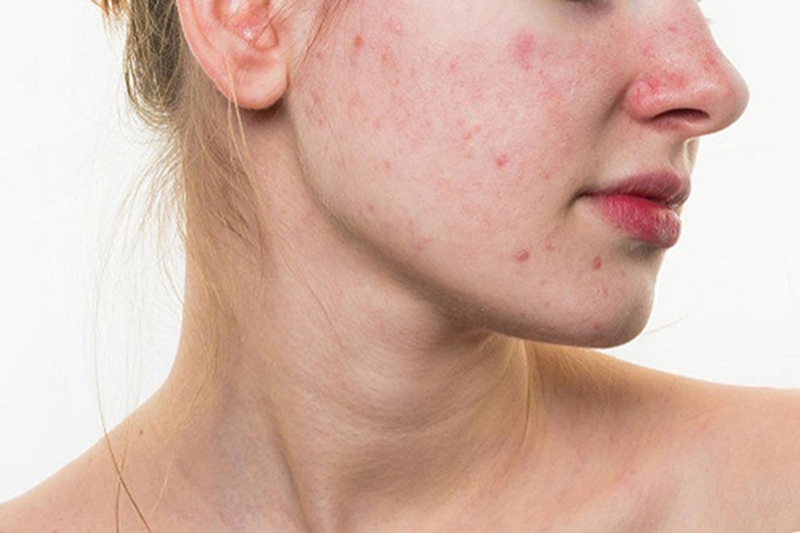
In most cases, you should avoid skincare products that feel heavy upon application, including oil-based creams, moisturizers, and sunscreens. They can leave a residue that clogs pores.
Note that skincare products containing fragrance or alcohol may cause irritation for some people with sensitive skin.
Acne Treatment for Dry Skin
Individuals with both dry skin and acne should focus on treating both conditions without exacerbating either. A doctor or dermatologist can provide advice tailored to each specific case.
-
Acne Treatment
A variety of over-the-counter creams, gels, and lotions are available to reduce acne.
These treatments often contain benzoyl peroxide, an antiseptic used for mild acne. Benzoyl peroxide works by reducing bacteria and inflammation on the skin.
For moderate to severe acne, a doctor may recommend prescription medications. These treatments may include antibiotics, or retinoid creams or tablets.
Antibiotics help fight skin bacteria and prevent infection, while retinoid creams remove dead skin cells to prevent them from accumulating in hair follicles.
-
Treating Dry Skin
Dry skin is often the result of an underlying condition, such as dermatitis—commonly known as eczema. Treating the underlying condition will alleviate the dryness.
Treatments for dry skin may include the use of moisturizers to reduce dryness. Moisturizers typically come in the form of creams, lotions, or oils. More potent moisturizers contain urea or lactic acid; these ingredients help the skin retain moisture but may cause a stinging sensation.
In severe cases, a dermatologist may prescribe corticosteroids or immunosuppressants. While these treatments are more effective, they carry potential side effects, such as an increased risk of infection.
At-Home Care for Dry, Acne-Prone Skin
It is important to avoid washing with abrasive products that could further irritate the skin. Picking at or touching the skin can also cause irritation.
Using gentle, fragrance-free products can help prevent dry skin flare-ups. Regular moisturizing—especially after bathing—can also help treat dry skin, even in cases of eczema.
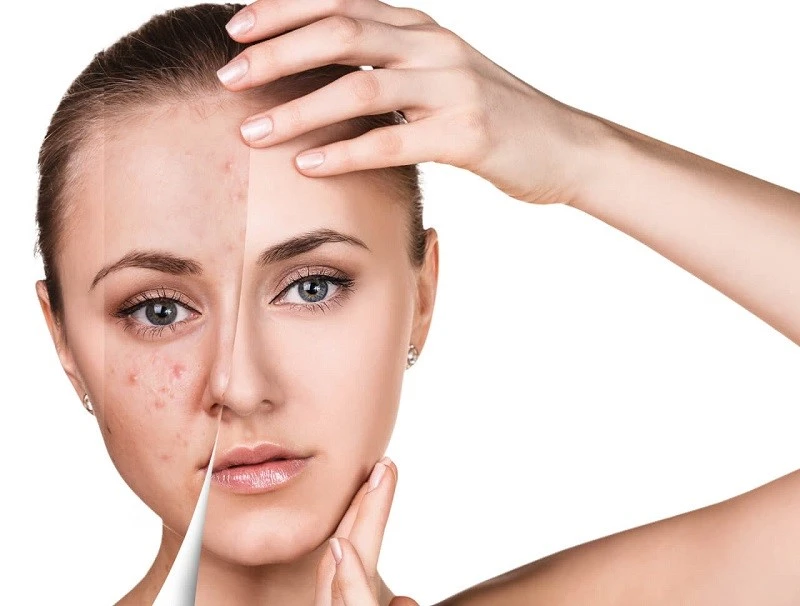
Proper skincare is sometimes enough to prevent dry skin and acne. However, certain conditions, such as eczema, are difficult to prevent.
Tips to reduce the risk of acne associated with dry skin include:
- Avoid makeup or other skincare products containing ingredients that irritate the skin.
- Look for products labeled "non-comedogenic."
- Avoid changing acne treatments too frequently, as some—such as benzoyl peroxide—require time to take effect.
- Remove all makeup before going to bed.
- Avoid washing your face too often, as this can dry out the skin and cause further irritation.
- Remove sweat by gently patting the skin with a towel rather than rubbing.
- Avoid touching or picking at acne.
- Use a gentle facial cleanser instead of scrubbing the skin.
- Avoid tanning beds and minimize sun exposure.
- Apply moisturizer immediately after washing to help the skin retain moisture.
- Use fragrance-free skincare products that are gentle on the skin.
- Choose laundry detergents that do not irritate the skin.
- Use a humidifier to maintain air moisture.
Some natural home remedies for treating acne on dry skin:
- Aloe vera is a natural antibacterial and anti-inflammatory agent that helps reduce the appearance of acne and prevent breakouts. It contains sugar molecules, amino acids, and zinc, making it an excellent moisturizer and skin protectant. It is particularly suitable for those experiencing skin dryness caused by other acne treatments. You should cleanse the acne-affected area and then apply a thin layer of cream or gel twice daily after washing with soap.
- For thousands of years, honey has been used to treat skin conditions because it contains numerous antioxidants that can help unclog blocked pores.
- With its anti-inflammatory properties, zinc is often touted as a remedy to reduce acne lesions and redness; it can be applied topically or taken as a supplement.
- Green tea contains high concentrations of a group of polyphenol antioxidants known as catechins. Some people with acne have an excess of sebum—the body's natural oil—in their pores and insufficient levels of antioxidants. Antioxidants help the body break down chemicals and waste products that can damage healthy cells. Green tea also contains compounds that may help reduce sebum production, decrease *P. acnes* bacteria, and lower inflammation. You can drink green tea or apply green tea extract to your skin, although researchers note that current evidence is limited. A 2017 study found that whiteheads and blackheads decreased by 79–89% after the use of green tea polyphenol extract for eight weeks.
When should you see a doctor for acne on dry skin?
If your skin does not improve with home remedies or over-the-counter medications, consult a dermatologist for advice on treating acne associated with dry skin.
They can identify the cause of the dryness and determine whether you have acne or another skin condition, such as:
- Dermatitis
- Psoriasis
- Rosacea
Dealing with acne on dry skin can be frustrating, especially since acne medications can often worsen dryness. Focusing on boosting skin hydration may be the key to fighting acne. If home treatments prove ineffective, contact a dermatologist for assistance.
- Web: Thẩm mỹ Hoa Anh
- Hotline: 0948.702.288


