


How can you supplement anti-aging skin peptides?
What are peptides?
Peptides are naturally occurring amino acid molecules that play a vital role in all biological processes and are found in every living organism. Like proteins, peptides are formed through the transcription of genetic code sequences (DNA).
The human body produces peptides—chains of amino acids, which are the building blocks of proteins. However, a peptide contains fewer amino acids than a protein. Laboratory-synthesized peptides can be identical to those found naturally in the body. Certain peptides are used in medications to treat various conditions, such as diabetes and multiple sclerosis.
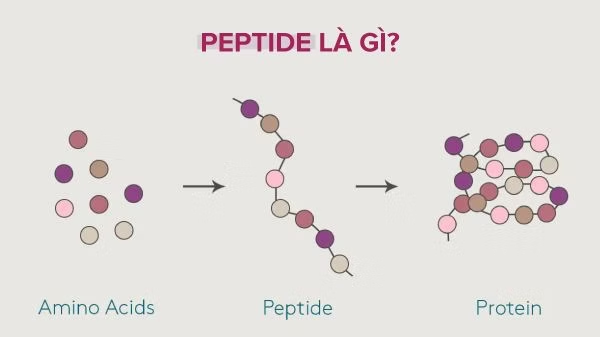
Peptides are categorized into various types, each serving a specific function:
- Signal Peptides: Examples include Palmitoyl Pentapeptide-4 and Palmitoyl Tripeptide-5. They stimulate the production of elastin, proteins, and collagen—nutrients vital for skin health—thereby helping to slow down the aging process;
- Enzyme Inhibitor Peptides: These peptides inhibit pigments that are harmful to the skin, helping to maintain a youthful, bright, and radiant complexion;
- Inhibitor Peptides: Found in forms such as Lipotec and Acetyl Hexapeptide-3, these peptides are utilized in products like Botox and topical treatments; their primary function is to firm the skin and reduce the appearance of wrinkles;
- Carrier Peptides: These peptides act as delivery agents, transporting essential nutrients to the skin and stimulating the production of collagen—a protein crucial for both the skin and the body.
The Roles of Peptides
- Anti-aging: Peptides facilitate the production of elastin and collagen—proteins found in healthy skin—thereby combating the signs of aging;
- Improving the skin barrier: Antimicrobial peptides help the body fight bacteria and accelerate wound healing;
- Muscle growth: Collagen peptides and creatine promote muscle growth and repair tissue damage. Certain synthetic peptides are believed to trigger the release of growth hormones, aiding muscle development, although this claim has not yet been scientifically proven;
- Increasing skin elasticity: Peptide supplementation boosts collagen production, resulting in healthier skin and effectively improved elasticity.
How can you supplement peptides?
Peptide supplementation plays a vital role in skincare; here are some ways to incorporate them:
- Peptide-infused cosmetics: Scientists have shown that peptides stimulate the production of elastin and collagen. They also boost antioxidant activity, helping to rapidly repair skin damage. Peptides are used in cosmetic products such as boosters, serums, creams, and masks;
- Daily foods: Foods containing peptides include meat, soybeans, flaxseeds, oats, wheat, and hemp seeds;
- Therapeutic medications: Peptides are also used in medical treatments. However, the use of peptide-containing medications requires a prescription from a doctor.
Precautions When Using Peptide Supplements
- Understand the active ingredients: Familiarizing yourself with the product's active ingredients is crucial for minimizing the risk of adverse reactions during use.
- Do not exceed the recommended dosage: Using more than the permitted amount does not enhance effectiveness and can actually harm your health.
- Seek immediate medical attention if you experience signs of an allergic reaction to the skincare product.
Peptides are active ingredients that offer significant benefits for both skin health and overall bodily well-being. We hope the information above provides you with a better understanding of peptides and the important considerations regarding their use.
- Web: Thẩm mỹ Hoa Anh
- Hotline: 0948.702.288.


