


Some tips for using skincare serums.
How to Choose the Right Serum
Facial serums are highly effective tools in any skincare regimen. With a consistency that falls somewhere between a gel and a liquid, serums are designed to penetrate deeply into the skin’s surface. They are formulated to address common skin concerns—such as treating acne, alleviating dryness, brightening the complexion, and helping to diminish facial wrinkles.
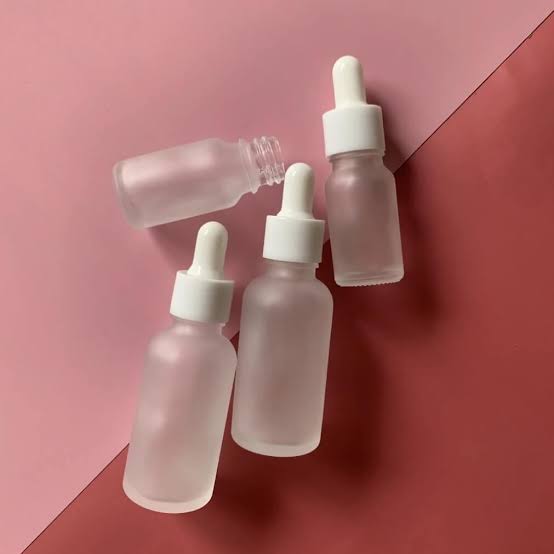
To use a serum effectively, the most important first step is to identify your skin type, as each serum is formulated for specific skin needs.
- For normal skin: Opt for serums containing aloe vera and glycolic acid to maintain healthy skin. Aloe vera helps reduce redness and boosts skin hydration, while glycolic acid exfoliates dead skin cells without clogging pores. Furthermore, these serums can help fade sun damage and diminish acne scars.
- For acne-prone skin: Choose serums containing vitamin C, retinol, salicylic acid, or benzoyl peroxide to help manage acne. Vitamin C provides antioxidants that aid in skin recovery, while retinol, salicylic acid, and benzoyl peroxide are effective acne-fighting agents. This combination is excellent for reducing inflammation or redness, controlling oil production, and treating or preventing acne breakouts. It is best to use acne-treatment serums at night to avoid the risk of sun sensitivity that could occur with daytime use.
- For dry skin: The best choices are serums containing ingredients like glycolic acid and hyaluronic acid. These components help moisturize the skin and alleviate dryness, tightness, and cracking. When combined, they create a serum that provides deep hydration and moisture to the skin in a matter of seconds. Additionally, for this skin type, you can incorporate ingredients like vitamin E or rosehip oil to provide hydration without clogging pores.
- For oily skin: This skin type is characterized by a constant greasy sheen, frequently enlarged pores, and the presence of various types of acne. Serums formulated with glycolic acid or retinol—at an appropriate concentration of 0.2% to 0.5%—are excellent choices. They help keep the skin smooth by promoting natural skin renewal and preventing clogged pores.
How to apply serum correctly for maximum effectiveness
- Before you begin using a serum, it is advisable to consult with a dermatologist to accurately determine your skin type. They can provide professional guidance on selecting the right serum and the appropriate concentration of ingredients for your specific skin needs.
- Unlike other skincare products, a serum should be applied to the face using your fingertips with a gentle touch.
- Start with clean hands, then dispense a pea-sized amount (approximately 3–4 drops) of the serum onto your fingertips. Apply it by dabbing and gently patting it onto your cheeks, forehead, nose, chin, and neck, using an upward motion. Massaging the serum into your skin stimulates blood circulation, which enhances the absorption of the nutrients contained in the formula.
- Avoid rubbing the skin too vigorously during application, as this can cause irritation. Allow a few minutes for the serum to fully absorb into your skin before proceeding with the next steps of your skincare routine.
- For optimal results, incorporate the serum into both your morning and evening skincare regimens.
- To ensure the serum is as effective as possible, prioritize thorough cleansing to remove all traces of dirt, makeup, and impurities. A typical skincare routine involving a serum should follow this order: makeup removal, facial cleanser, exfoliation, toner, serum, moisturizer (for both day and night), and sunscreen (for daytime use only).
Important considerations when using a facial serum:
- Use promptly after opening: To ensure the product remains in its best condition, use the serum as soon as possible after opening the bottle. Because serums tend to evaporate easily, it is best to use them as soon as possible after opening; alternatively, consider purchasing smaller-sized bottles to ensure the product’s efficacy is maintained over time.
- Use an appropriate amount: The ideal dosage depends on your skin condition and the specific purpose of the serum, ideally as advised by a dermatologist. Applying a larger amount does not accelerate results and may, in fact, trigger skin irritation. Use only the amount necessary to achieve the desired effect; applying too much can lead to clogged pores and product waste.
- Apply serum to damp skin: Many people make the mistake of applying serum only after their skin is completely dry, which prevents the product from working optimally. Instead, apply serum while your skin is still slightly damp. This helps prevent dryness, flaking, or cracking, while ensuring the serum’s skincare benefits are fully realized.
- Target specific areas: Different areas of the skin have different textures and needs. You may need to use different serums for different parts of your face—for instance, the skin around the eyes is particularly delicate and sensitive, requiring extra care.
- Apply sunscreen when using serum during the day: If you use serum during the day, always follow up with sunscreen. Additionally, take steps to protect your skin—such as wearing sunglasses, using sun-protective clothing, or wearing a wide-brimmed hat—as some active ingredients in serums can react strongly to ultraviolet (UV) rays, making your skin more susceptible to irritation when exposed to direct sunlight.
Hopefully, this article has provided all the necessary information on how to apply serum for the best possible results. Achieving beautiful, healthy, radiant, and acne-free skin is not difficult at all, provided you follow the skincare routine outlined above.
- Web: Thẩm mỹ Hoa Anh
- Hotline: 0948.702.288


