


What should you keep in mind before extracting acne?
Types of Acne
Acne generally forms when the skin cells surrounding your hair follicles stick together. This can create a hard plug that blocks your pores. Several factors can trigger this reaction in your skin, including:
- Hormones
- Allergic reactions
- Bacteria
- Natural oils
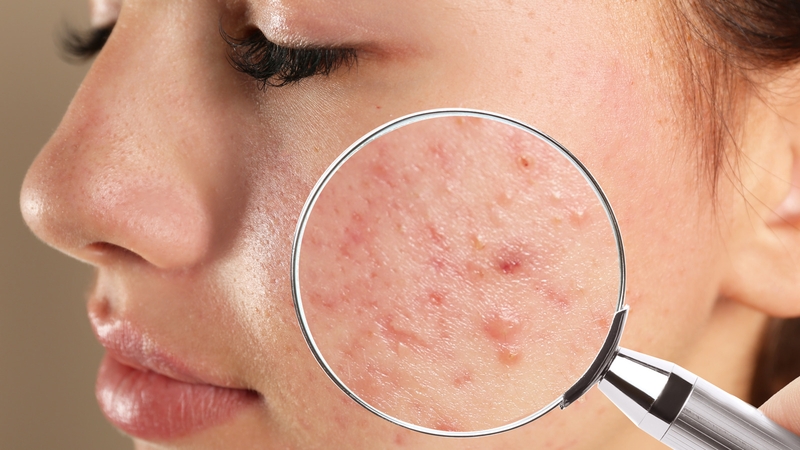
As a result, pores become clogged with oil, pus, or sebum, creating bumpy, inflamed areas of skin. Here are three common types of acne:
- Blackheads are open pores clogged with oil and dead skin cells. The oil and cells filling the pore darken upon exposure to air, giving blackheads their characteristic dark appearance.
- Whiteheads are similar to blackheads, but they remain covered by the skin. You may see a bump on the skin surface covering the hard, white plug that is blocking the pore.
- Pustules are deeper acne lesions that are harder to clear. They are typically red and inflamed. Pustules can be caused by allergies, hormones, bacteria, or other skin conditions.
When pores become clogged or acne forms beneath the skin, hair follicles can fill with pus or sebum (oil). Eventually, the follicle may rupture, clearing the blockage and initiating the healing process.
This is your body's natural mechanism for dealing with clogged pores and acne. When you pop a pimple yourself, you may be triggering this healing process and expelling the acne, but there are also associated risks.
Should you pop your pimples?
As a general rule, you should never attempt to pop a pimple yourself. Any doctor or dermatologist will tell you that popping a pimple is a last resort—something to be avoided whenever possible.
If you try to pop a pimple and end up breaking the skin's protective barrier, you risk permanent scarring. If the pimple contains infected pus, popping it can spread bacteria to other pores and hair follicles, triggering a larger breakout.
Popping a pimple can also interfere with your body's natural healing process; what seems like a "quick fix" can actually cause the blemish to linger even longer.
If you fail to pop the pimple successfully, you might push the contents deeper beneath the skin's surface. This can further clog your pores, make the pimple more noticeable, or cause inflammation under the skin.
Things to consider before popping a pimple
Before you attempt to pop a pimple, consider these alternatives:
- Consult a dermatologist. A dermatologist can remove the pimple using specialized tools in a sterile environment. This method reduces the risk of re-infecting your skin with other bacteria.
- Apply a warm compress. A warm compress can soothe pain caused by an inflamed pimple. Once the heat opens the pores, the pimple may open and drain on its own.
- Use an over-the-counter topical treatment. There are treatments available that can speed up the healing process. Salicylic acid, sulfur, and benzoyl peroxide are common active ingredients in these products. We recommend starting with a product that contains a low concentration of benzoyl peroxide.
Try a home remedy. Many people rely on specific topical treatments for painful, inflamed pimples, such as:
- Baking soda.
- Tea tree oil.
- Charcoal masks.
- Hydrogen peroxide.
Or other home remedies, such as charcoal masks and tea tree oil.
Safe ways to pop a pimple
The safest way to deal with a pimple is to let it run its course. Pimples form when bacteria get trapped within the layers of your skin; popping one releases that bacteria onto your face. Your skin knows how to heal a pimple better than you do.
If you decide to pop a pimple, follow certain guidelines to keep your skin safe. There are some types of pimples and pustules that should absolutely not be popped at home. However, if you have a whitehead or blackhead that you feel needs to be removed quickly, here are some tips to minimize the associated risks.
How to extract a whitehead
- These instructions apply to large whiteheads—meaning you can see the white pus trapped inside the pore. You might want to try an over-the-counter treatment containing benzoyl peroxide or salicylic acid before attempting to pop a whitehead, as these ingredients reduce inflammation and can make the process easier.
- Start by washing your hands thoroughly to avoid transferring bacteria from your hands to the pimple.
- Sterilize a sewing needle with rubbing alcohol. Carefully insert the needle at an angle into the widest part of the pimple. You should not feel pain or experience bleeding during this step.
- Use a cotton ball or gauze pad to dry the area. Instead of trying to force the bacteria and pus out, hold the skin taut so the surrounding tissue naturally draws the contents out. This helps prevent pushing bacteria back into the skin.
- Disinfect the area with an antibacterial drying agent, such as witch hazel.
How to remove blackheads
- When the sebum and bacteria inside a clogged pore are exposed to air, they oxidize and turn black, forming a blackhead. Because the pore is open, blackheads are often easier to extract than whiteheads.
- Start by applying a product containing salicylic acid or benzoyl peroxide to the blackhead. This helps loosen any trapped debris or sebum you are about to remove.
- Wash your hands thoroughly with soap and warm water.
- Using cotton swabs, apply gentle pressure to both sides of the blackhead. Be careful not to press directly onto the blackhead itself. The blockage should pop out easily; if it doesn't, do not continue applying pressure.
- Use an astringent, such as witch hazel or rubbing alcohol, to disinfect the area and prevent further breakouts.
When You Should Not Pop a Pimple
There are certain types of pimples you should never attempt to pop. These include boils, cysts, and deep-seated pimples located beneath the skin's surface. If you cannot see a whitehead or blackhead on the pimple, it is highly likely that it cannot be popped.
Attempting to pop a pimple that isn't ready to open exposes the deeper layers of your skin to bacteria and other irritants. This can prolong the healing process, lead to further breakouts, and even cause permanent scarring.
Popping a pimple occasionally may be acceptable, provided you follow best practices to prevent infection. However, you should not make a habit of it and must always ensure the procedure is done in a sterile environment.
Avoid popping pimples out of stress or haste, and do not apply makeup to the area immediately afterward; doing so can trap bacteria or cause it to re-enter the skin.
If you experience frequent breakouts, schedule an appointment with a dermatologist to develop a treatment plan. Prescription medications, dietary changes, and appropriate skincare products can all help reduce the occurrence of acne.
- Web: Thẩm mỹ Hoa Anh
- Hotline: 0948.702.288.


