


Why is melasma more common in women than in men?
What is melasma?
A person’s skin color is determined by melanin, a type of pigment. Research has shown that melanin is an effective light absorber—capable of dissipating more than 99.9% of the UV rays it absorbs—thereby acting as a natural form of sun protection that shields the skin from UV radiation.
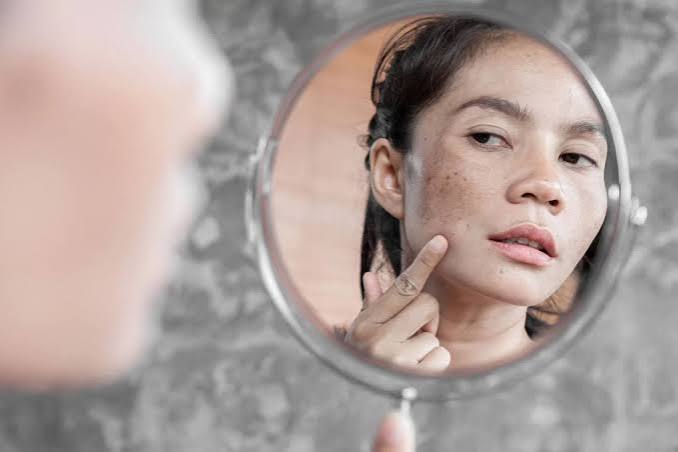
However, when an excessive amount of melanin is produced, it accumulates and concentrates in specific areas on the skin's surface. This is the underlying cause of melasma and freckles.
In women, melasma typically appears on the cheekbones, nose, chin, or forehead. Because it affects the skin's appearance—particularly on the face—melasma can lead to feelings of self-consciousness and insecurity, ultimately diminishing a woman's quality of life. Causes of melasma and freckles
Internal factors
- Genetic factors: Recent research indicates that approximately 30% of melasma cases are linked to genetics. Consequently, if family members—such as grandparents, parents, or other relatives—have melasma, women in that family face a significantly higher risk of developing the condition. When melasma is hereditary, it can be very difficult to treat unless the appropriate, targeted approach is used.
- Hormonal changes: Factors such as menstrual irregularities, pregnancy, or the postpartum period can lead to a significant decline in estrogen levels. This triggers an increase in melanin production, resulting in skin changes—such as the development of wrinkles and a loss of elasticity—and contributing to the emergence of melasma and freckles.
- Chronic stress, tension, anxiety, and fatigue: Persistent pressure and stress accelerate the aging process, leading to various health and skin issues, including melasma, acne, and wrinkles.
- Age: A decline in estrogen levels stimulates the production of melanin, which is a primary cause of melasma and freckles.
External factors
- Exposure to sunlight and computer screens: Sunlight contains UV rays that penetrate the skin, triggering a surge in melanin production and leading to the formation of brown spots. Frequent sun exposure not only causes skin irritation and burns but is also a primary cause of melasma and freckles.
- Sleep deprivation and an unhealthy lifestyle: Lack of sleep, staying up late, an unbalanced diet, dehydration, excessive alcohol consumption, and smoking can all exacerbate melasma and freckles. Furthermore, certain dietary choices—such as consuming alcoholic beverages (beer, liquor) or using specific seasonings like salt, chili, and pepper—can cause skin congestion, making existing melasma even more severe.
- Unwanted side effects from medications: The use of certain drugs, such as oral contraceptives or antibiotics in the cyclin class, can alter the body’s hormonal balance, leading to the development of melasma and freckles. Additionally, medications like tetracycline, sulfonamides, thiazides, phenergan, and chlorpromazine can increase skin sensitivity, making the skin more prone to irritation when exposed to sunlight.
- Use of low-quality or unverified cosmetics: With the growing demand for beauty products, many women have incorporated cosmetics into their daily routines. However, some may inadvertently use "mixed creams" (unregulated, homemade concoctions) or other cosmetic products of unknown origin. Initially, these products might appear to brighten the skin and gradually fade dark spots. However, after a long period of use, the skin gradually becomes worn down and weakened, making it more vulnerable to environmental factors—such as ultraviolet (UV) rays from sunlight, smoke, and dust—which can lead to the development of dark spots and freckles.
Why women are more prone to skin pigmentation (melasma) than men
Differences in hormones
Hormones play a significant role in the development of skin pigmentation and freckles. Since hormonal profiles differ between men and women—with women experiencing more frequent hormonal fluctuations—they are more susceptible to developing these conditions.
Differences in facial skin thickness
Recent studies have shown that men’s skin is approximately seven times thicker than women’s. Consequently, men’s skin is less affected by environmental factors such as UV radiation, sunlight, and air pollutants. As a result, less melanin—the pigment responsible for dark spots and freckles—is produced.
Furthermore, the passage of time leads to skin erosion and aging; therefore, women in middle age face a higher risk of developing skin pigmentation.
The occurrence of skin pigmentation in women is linked to the thickness of their facial skin.
The impact of cosmetics
The use of cosmetics can also lead to melasma (skin pigmentation). While using beauty products is a common practice for women, it is far less prevalent among men—which explains why women experience melasma more frequently.
Collagen levels
Collagen plays a vital role in skin cells, helping to bind tissues together and providing skin elasticity. Men generally have a much higher collagen density than women; consequently, at any given age, men’s skin tends to be firmer and smoother. Typically, from the age of 25 onwards, women are more prone to signs of aging and the development of melasma compared to men.
Furthermore, psychological factors significantly influence a woman’s appearance and can contribute to the development of melasma and freckles. Emotional instability, stress, negative thinking, and an inadequate lifestyle—including poor sleep and rest habits—can accelerate skin aging, leaving the skin looking dull, lifeless, and prone to pigmentation or dark spots.
How to Prevent Melasma and Freckles
To prevent and minimize the occurrence of melasma, consider the following:
- Drink plenty of water every day;
- Maintain a healthy diet that provides all the essential nutrients your body needs;
- Limit exposure to sunlight: use sunscreen, and wear protective clothing—such as sun-protective jackets and hats—when working outdoors;
- Adopt a balanced lifestyle and rest routine: get enough sleep and maintain a positive mindset;
- Carefully research any cosmetic products before use.
In short, once you understand the causes of melasma and freckles, you should take steps to minimize these risk factors. Choose an appropriate treatment method combined with a proper skincare regimen to achieve the bright, smooth, and radiant complexion you desire. When addressing melasma and freckles, it is best to seek out safe treatment approaches that target the issue both internally and externally.
- Web: Thẩm mỹ Hoa Anh
- Hotline: 0948.702.288


